Explore our CE-certified, GMP-manufactured raw materials, customized private label capsules, and micro-hydrolyzed bulk powders designed for worldwide distribution.
In the rapidly evolving global nutraceutical and cosmeceutical sectors, Marine Collagen has established itself as the gold standard for Type I and Type III collagen supplementation. Sourced predominantly from the skin and scales of deep-sea marine species (such as cod, tilapia, and red snapper), marine collagen offers distinct physiological and biochemical advantages over traditional bovine or porcine collagen sources. From a structural biology perspective, marine collagen exhibits a triple-helix molecular conformation that closely mirrors human dermal extracellular matrix proteins.
However, native marine collagen possesses a high molecular weight (approximately 300,000 Daltons), rendering it virtually unabsorbable by the human gastrointestinal tract in its intact state. To overcome this bio-kinetic barrier, state-of-the-art manufacturing facilities employ precise enzymatic hydrolysis processes. By utilizing specific proteases, long peptide chains are cleaved into bioactive low-molecular-weight collagen peptides (typically ranging between 1,000 Da and 3,000 Da). This radical reduction in molecular mass enhances water solubility, thermal stability, and, most importantly, systemic intestinal absorption through epithelial cell tight junctions via peptide transporters (PEPT1).
Core Scientific Advantage: Low-molecular-weight Hydrolyzed Marine Collagen Peptides (<2000 Da) exhibit up to 1.5 times greater bioavailability and faster bloodstream kinetics compared to terrestrial mammalian collagen hydrolysates, driven by high concentrations of key tripeptides: Glycine-Proline-Hydroxyproline (Gly-Pro-Hyp).
When evaluating marine collagen suppliers, global enterprise procurement teams must examine the molecular weight distribution profile, enzymatic specificity, and regulatory compliance standards (specifically European CE Certification under Regulation EC No 853/2004 for fish product processing). Below is an analytical performance breakdown of marine collagen hydrolysates versus alternative protein sources:
| Parameters & Metrics | Enzymatic Marine Collagen (<2000 Da) | Standard Fish Gelatin (>50,000 Da) | Bovine Collagen Hydrolysate |
|---|---|---|---|
| Primary Collagen Types | Type I & Type III (High Dermal Affinity) | Unfractionated Native Type I | Type I & Type II (Joint Matrix Focus) |
| Average Molecular Mass | 1,000 – 2,500 Daltons (Optimized) | 50,000 – 100,000 Daltons | 3,000 – 6,000 Daltons |
| Intestinal Transport Efficiency | High (PEPT1 Mediated Active Transport) | Extremely Low (Requires Heavy Digestion) | Moderate (Passive & Active Transport) |
| Solubility in Cold Liquids | 100% Instantaneous Clear Solution | Gels at Room Temperature | Moderate to High Solubility |
| Heavy Metal & Contaminant Risk | Ultra-Low (ICP-MS Verified Deep-Sea Sourcing) | Variable (Source Dependent) | Risk of BSE/TSE Transmissible Agents |
| CE & EU Regulatory Clearance | Fully Certified (EC No 853/2004 Compliance) | Requires Additional Import Clearances | Subject to Strict BSE Quarantine Audits |
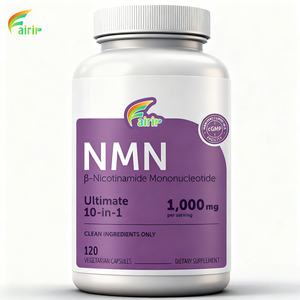
Furthermore, scientific research highlights the synergistic benefits of pairing high-purity Hydrolyzed Marine Collagen Peptides with metabolic co-factors such as Beta-Nicotinamide Mononucleotide (NMN), Hyaluronic Acid, and Vitamin C. While marine collagen peptides supply the essential amino acid substrate for fibroblasts to synthesize new dermal matrix fibers, cellular longevity molecules like NMN restore NAD+ co-enzyme pools, boosting mitochondrial ATP generation within skin cells and cartilage chondrocytes. This dual-action mechanism represents the frontier of modern anti-aging, nutricosmetic, and cellular rejuvenation therapeutics.
Global consumers and regulatory bodies are increasingly demanding transparency across the entire raw material supply chain. Procurement directors from leading European, North American, and Asian supplement brands are shifting away from unverified wild-caught or low-tier aquaculture suppliers. Future marine collagen sourcing will heavily prioritize suppliers adhering to Marine Stewardship Council (MSC) or Aquaculture Stewardship Council (ASC) standards, ensuring that fish skins and scales are derived solely from sustainable, eco-friendly fish processing by-products.
The market is moving past generic high-molecular-weight collagen powders. Advanced enzymatic hydrolysis technology now allows manufacturers to isolate specific dipeptides and tripeptides (such as Proline-Hydroxyproline [Pro-Hyp] and Hydroxyproline-Glycine [Hyp-Gly]). These precise sequences function as biological signaling molecules, directly triggering dermal fibroblast proliferation and upregulating gene expression for endogenous collagen synthesis (COL1A1 and COL1A2 genes).
The intersection of cellular anti-aging science and cosmetic beauty-from-within supplements has created unprecedented growth in complex multi-ingredient formulas. Contract manufacturing trends indicate a surging demand for combined dosage forms—integrating Marine Collagen Peptides with pure Beta-Nicotinamide Mononucleotide (NMN), Coenzyme Q10, Glutathione, and Marine Microalgae Phytoplankton. Brands offering integrated cellular energy + structural support products are securing dominant market positions on platforms like Amazon, specialized pharmacy chains, and direct-to-consumer digital channels.
Cross-border regulatory hurdles continue to tighten. Exporters must provide comprehensive analytical documentation, including Inductively Coupled Plasma Mass Spectrometry (ICP-MS) heavy metal analysis (Lead < 0.1 ppm, Arsenic < 0.1 ppm, Mercury < 0.05 ppm, Cadmium < 0.1 ppm), microbiological sterility reports (ISO 17025 accredited), and European Conformity (CE) / EU Health Certificates. Suppliers capable of executing seamless customs clearing documentation, batch stability testing, and Certificate of Analysis (CoA) verifications will capture the majority of enterprise contract manufacturing accounts.
Combining advanced biotechnology, rigorous quality assurance systems, and turnkey private label manufacturing capabilities under one certified roof.
Our state-of-the-art facility operates under strict cGMP regulations audited by NSF International. Every raw material lot undergoes rigorous identity, purity, and potency testing before entering production lines.
In-house scientists and formulation engineers customize particle size, flavor masking, solubility parameters, and active ingredient ratios—delivering exclusive proprietary blends for your brand.
Eliminate vendor fragmentation. We handle encapsulation, high-speed powder filling, automated bottling, induction sealing, tamper-evident neck banding, and high-definition label printing on-site.
We provide complete export documentation packages including CE certificates, Certificates of Free Sale, Halal/Kosher accreditations, EU Health Certificates, and international freight coordination.
Validate demand without excessive capital tie-up. Market-ready stock formulas start at low unit minimums, while scalable custom contract runs accommodate multi-container volume requirements.
Complete lot traceability is delivered with every order. Finished products are tested by accredited third-party laboratories for assay micro-limits, heavy metals, and stability profile confirmation.
Expert answers addressing technical specification, minimum order volumes, regulatory approvals, and international export procedures.
Whether you require bulk CE-certified raw material, private label NMN-Collagen capsules, or turnkey contract manufacturing in an NSF GMP facility, our team is ready to deliver.
Get a Quote