Blog

Top Private Label NAD+ Supplement Manufacturers?

Top Private Label NAD+ Supplement Manufacturers?

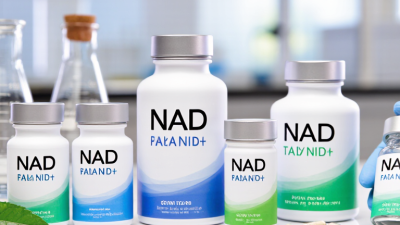
Demand for Private Label NAD+ Supplements is rising with broader interest in healthy aging, energy, and cellular wellness. Yet the category needs careful interpretation. NAD+ is a coenzyme involved in cellular energy metabolism, according to the National Institutes of Health Office of Dietary Supplements. It is not a proven cure for aging, fatigue, or disease. The market is expanding. Grand View Research reported that the global dietary supplements market reached an estimated USD 177.5 billion in 2023, with continued growth expected through 2030. However, NAD+-focused estimates vary widely. Different reports use different product definitions, regions, and revenue models. That matters. Quality comes before attractive packaging. This guide examines leading private label manufacturers through practical criteria. These include cGMP compliance, ingredient traceability, third-party testing, formulation support, minimum order quantities, and batch documentation. NSF and USP quality frameworks can offer useful reference points, although certification availability differs by product and facility. The U.S. Food and Drug Administration also makes clear that dietary supplement manufacturers remain responsible for product safety, labeling accuracy, and substantiated claims. A strong supplier should provide more than a sample bottle. Buyers should request certificates of analysis, stability information, allergen statements, and manufacturing licenses. Transparent answers reveal operational maturity. Sometimes, they reveal gaps. NAD+ products may use different forms, including nicotinamide riboside or nicotinamide mononucleotide. Their research profiles are not interchangeable. Reviews published in peer-reviewed journals suggest promising biological findings, but human evidence remains developing and formulation-specific. Therefore, the “top” manufacturer is not simply the cheapest or fastest. It is the partner that combines documented quality, responsible marketing, and realistic scientific communication.
Read more »
Julian Mercer By:Julian Mercer - October 14, 2026
How to Source Private Label Creatine Brainberry Powder?

How to Source Private Label Creatine Brainberry Powder?

Sourcing Private Label Creatine Brainberry Powder requires more than finding a colorful pouch and a low quotation. Buyers must verify the ingredient identity, creatine form, berry flavor system, manufacturing controls, and documentation behind every batch. A reliable supplier should provide a current certificate of analysis, heavy-metal results, microbial testing, allergen information, and clear dosage specifications. The powder should also be tested for moisture, texture, and flavor stability. Small details matter. A clumpy scoop can damage customer trust quickly. Jose Antonio, PhD, a leading sports-nutrition researcher and International Society of Sports Nutrition representative, has described creatine as “one of the most effective nutritional supplements available to athletes.” His statement reflects extensive research, but it does not replace product verification. Creatine quality still depends on sourcing, processing, storage, and accurate labeling. Brainberry ingredients should be defined clearly, especially if the name refers to a berry blend, flavor, or branded formulation. This guide explains how to compare manufacturers, audit their production capabilities, and assess Private Label Creatine Brainberry Powder before placing a commercial order. Look for GMP-certified facilities, batch traceability, transparent testing, and responsive technical support. Ask difficult questions. Some suppliers may provide impressive samples but weak documentation. That inconsistency deserves attention. Packaging, serving instructions, permitted claims, and market-specific requirements must also be reviewed before launch. No single supplier is perfect, and even experienced buyers can overlook a small compliance detail. A careful, evidence-based process reduces avoidable risks and supports a product customers can use with confidence.
Read more »
Ethan Caldwell By:Ethan Caldwell - October 9, 2026
What Is Contract Supplement Manufacturing?

What Is Contract Supplement Manufacturing?

Contract Supplement Manufacturing is the process of hiring a specialized manufacturer to develop, produce, test, and package dietary supplements. A brand may provide a formula, request formulation support, or use an existing product concept. The manufacturer then converts that concept into capsules, tablets, powders, gummies, or liquid products. In practice, the relationship involves much more than filling bottles. Technical teams review ingredient specifications, serving sizes, flavor systems, allergens, and production limits. Quality professionals may verify supplier documents, conduct identity testing, monitor environmental controls, and review certificates of analysis. Manufacturing should follow applicable good manufacturing practices and documented quality procedures. Packaging teams also check label accuracy, batch coding, tamper evidence, and storage requirements. The best partnerships depend on clear communication. A strong contract should define responsibilities for testing, deviations, product release, records, confidentiality, and complaint handling. Small details matter. A powder can settle during transport. A gummy may change texture in warm conditions. A label may become outdated after a formula change. The process is not flawless. Even experienced teams can underestimate lead times, minimum order quantities, or stability work. A low production quote may hide extra testing or packaging costs. That deserves a closer look. Brands should evaluate facilities, technical capabilities, quality systems, and transparent documentation before choosing a partner. Contract Supplement Manufacturing can reduce operational pressure, but it does not remove the brand’s responsibility to make careful, evidence-based decisions. Reliable results come from shared oversight, realistic claims, and continuous review.
Read more »
Julian Mercer By:Julian Mercer - October 4, 2026
China Top Wholesale Bulk Supplement Supply Manufacturer?

China Top Wholesale Bulk Supplement Supply Manufacturer?

Choosing a China-based manufacturer for Wholesale Bulk Supplement Supply involves more than comparing prices. Buyers need clear product specifications, dependable production capacity, and responsive communication. Small details matter. A sample label, a batch record, or a delayed reply can reveal how carefully a supplier manages routine work. This guide outlines practical points for evaluating manufacturers, from ingredient sourcing and formulation support to packaging options and order planning. It also explains which questions can help buyers compare suppliers on consistent terms. Reliable suppliers should be able to describe their quality controls and provide relevant, verifiable documentation for review. Ask how ingredients are identified, how batches are tracked, and how finished products are checked before dispatch. Request current certificates or test reports where applicable, and confirm that their scope matches the product and facility being discussed. Clear answers build confidence. Vague promises do not. Minimum order quantities, lead times, sample costs, and export packaging should also be confirmed in writing. These details shape budgets and launch schedules more than a sales brochure might suggest. No single manufacturer will suit every business. Some offer broad customization but require larger orders; others may be more flexible with standard formulas. Trade-offs happen. Buyers should assess their own needs, verify claims independently, and allow time for samples and document review. Even a promising supplier may have gaps, and that deserves a closer look. The aim is not to find a perfect pitch, but a capable partner whose processes, communication, and product specifications can be checked before a long-term commitment.
Read more »
Ethan Caldwell By:Ethan Caldwell - September 29, 2026
2026 Best Nutraceutical Powder Manufacturers?

2026 Best Nutraceutical Powder Manufacturers?

Choosing the 2026 best nutraceutical powder manufacturers requires more than comparing glossy websites or low quotations. Nutraceutical Powder Manufacturing combines formulation science, ingredient sourcing, process control, packaging, and regulatory discipline. A reliable manufacturer should explain each stage clearly, from raw-material identity testing to final batch release. Stephen DeFelice, M.D., founder of the Foundation for Innovation in Medicine, defined a nutraceutical as “a food or part of a food that provides medical or health benefits, including the prevention and treatment of disease.” This widely cited definition reminds buyers that scientific purpose must guide commercial claims. In practice, strong manufacturers show certificates of analysis, allergen controls, microbial testing, and documented traceability. Look for real evidence. A useful 2026 comparison should examine production capacity, powder-flow expertise, flavor masking, moisture control, and filling accuracy. A protein blend may behave differently from a botanical extract. Small details matter. A humid warehouse, weak sealing film, or inconsistent particle size can damage an otherwise excellent formula. Manufacturers with cGMP-based systems, qualified technical teams, and transparent audit records deserve closer attention. Still, no ranking is perfect. The “best” partner depends on dosage form, market, budget, and launch volume. Some companies excel at custom research but struggle with small orders. Others offer fast production yet provide limited formulation support. Buyers should request samples, review stability data, and ask how deviations are investigated. That practical diligence may feel slower, but it can prevent costly surprises in 2026.񎟀
Read more »
Ethan Caldwell By:Ethan Caldwell - September 24, 2026
Top Private Label Supplement Manufacturers in 2026?

Top Private Label Supplement Manufacturers in 2026?

The private-label supplement market is entering 2026 with stronger demand for traceability, clinical evidence, and flexible production. Grand View Research valued the global dietary supplements market at approximately $177.5 billion in 2023. It also projects a 9.1% compound annual growth rate through 2030. These figures explain why brands are searching for reliable manufacturing partners. Private Label Supplement Manufacturing now involves more than mixing capsules or filling bottles. Leading suppliers may support formulation, ingredient sourcing, stability testing, packaging, and regulatory documentation. The FDA’s Current Good Manufacturing Practice requirements under 21 CFR Part 111 remain an essential benchmark in the United States. Certifications from NSF, USP, or Informed Choice can provide additional quality signals, depending on the product category and target market. But rankings require caution. The “best” manufacturer depends on minimum order quantities, dosage-form expertise, testing standards, lead times, and export capability. A large facility is not automatically the right partner. Food and beverage industry reports from Nutrition Business Journal and CRN show continued consumer interest in vitamins, minerals, sports nutrition, and condition-specific products. Yet market growth does not remove manufacturing risks. Supplier audits, certificate verification, batch records, and independent laboratory results still matter. Some published rankings rely heavily on marketing claims. That is a weakness. This guide evaluates leading private-label supplement manufacturers using practical criteria, available certifications, production capabilities, transparency, and documented industry experience. Performance should be verified directly before signing a contract.
Read more »
Amelia By:Amelia - September 20, 2026
What Is Dietary Supplement Capsule Manufacturing?

What Is Dietary Supplement Capsule Manufacturing?

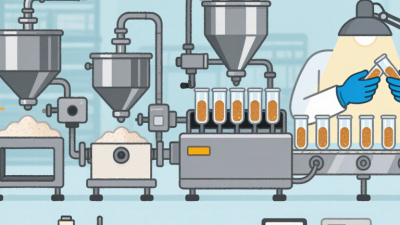
Dietary Supplement Capsule Manufacturing is a controlled process that turns measured ingredients into stable, swallowable products. It includes formulation, raw-material testing, blending, encapsulation, polishing, inspection, packaging, and recordkeeping. The work happens under defined conditions, not on guesswork. A capsule may look simple, but its fill weight, moisture level, disintegration, and microbial quality require close control. Grand View Research valued the global dietary supplements market at approximately $177.5 billion in 2023. Its report also projects strong growth through 2030. Meanwhile, the Council for Responsible Nutrition’s 2024 consumer survey reported that 75% of U.S. adults use dietary supplements. These figures show demand, but they do not prove product quality. That distinction matters. FDA Current Good Manufacturing Practice requirements, along with USP standards, guide manufacturers toward identity, purity, strength, composition, and contamination control. Dr. Pieter Cohen, an associate professor at Harvard Medical School, has warned, “Supplements are not drugs, and they are not subject to the same premarket approval requirements.” His point places responsibility on manufacturers, laboratories, and responsible brands. In practice, this means checking a powder before it enters the hopper, monitoring capsule weight during production, and retaining samples for future investigation. The process is not glamorous. It is not foolproof. Human review still matters. A reliable introduction to capsule manufacturing should therefore examine equipment, excipient selection, testing methods, documentation, and supplier qualification. It should also acknowledge uncertainty, because attractive packaging cannot replace verified evidence.
Read more »
Amelia By:Amelia - September 20, 2026
Top 10 Custom Supplement Formulation Suppliers Worldwide

Top 10 Custom Supplement Formulation Suppliers Worldwide

Choosing a reliable partner for Custom Supplement Formulation requires more than comparing product catalogs or factory photos. The best suppliers combine scientific expertise, transparent sourcing, consistent manufacturing, and practical communication. This guide introduces ten leading companies serving international brands, from early-stage startups to established retailers. Each supplier is considered through clear, relevant factors. These include formulation capabilities, ingredient traceability, quality systems, testing procedures, minimum order quantities, packaging support, and production flexibility. Certifications can offer useful evidence, but they should not replace careful verification. A polished website proves little. Real-world performance also depends on communication. Can the supplier explain stability testing in plain language? Can it provide representative certificates of analysis, batch records, and realistic delivery timelines? These details often become visible only after development begins. That limitation matters. The selected companies may differ in regional coverage, pricing, specialization, and technical resources. Some focus on capsules and powders, while others support gummies, liquids, or sports nutrition products. Their strengths may not fit every project. A large manufacturer is not automatically the best choice. Readers should use this overview as a research starting point, not a final purchasing decision. Requirements vary by market, dosage form, target consumer, and brand maturity. Independent audits, sample reviews, regulatory checks, and written quality agreements remain important. Good formulation is a partnership. It requires evidence, questions, and occasional reconsideration.
Read more »
Ethan Caldwell By:Ethan Caldwell - September 20, 2026