
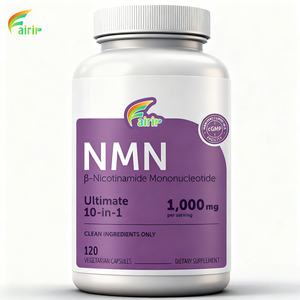
Turnkey SKUs engineered for high biocatalytic activity, maximum gastrointestinal stability, and rapid marketplace compliance.
An in-depth analysis of biocatalytic activity, pH stability matrices, microbial vs. plant-derived sourcing, and commercial scalability for health & wellness brand owners.
The global human digestive enzyme supplement market has evolved beyond simple single-ingredient papain or pepsin aids. Driven by expanding clinical research into the gut microbiome, exocrine pancreatic insufficiency (EPI) sub-clinical trends, functional dyspepsia, and high-protein sports nutrition regimens, brands require custom OEM manufacturing solutions that offer verified bio-activity, batch-to-batch consistency, and extended shelf-life stability. As a premium contract manufacturer based in Utah, USA, operating within an NSF/ANSI 455-2 GMP certified and FDA-registered facility, we provide brand owners, pharmaceutical distributors, and direct-to-consumer dietary supplement companies with raw material sourcing precision and cutting-edge encapsulation technologies.
Technical Information Gain: Unlike standard botanical extracts quantified by raw weight (mg), digestive enzymes must be standardized and tested by functional enzyme activity units (such as HUT, FIP, DU, SAPU, and ALU). Formulating without activity-based potency guarantees compromises biological efficacy and exposes brands to regulatory non-compliance.
When evaluating custom OEM digestive enzyme suppliers, contract specifications must detail the exact activity assays used to confirm potency. Weight measurements (e.g., 100 mg of Amylase) are scientifically meaningless without specifying the enzymatic activity units per gram. Our laboratory testing protocols strictly adhere to the United States Pharmacopeia (USP) and Food Chemicals Codex (FCC) testing standards:
| Enzyme Class | Target Substrate | Standard FCC Activity Unit | Optimal pH Range | Primary Commercial Origin |
|---|---|---|---|---|
| Protease (Endo & Exo) | Dietary Proteins & Peptides | HUT (Hemoglobin Unit USP) / SAPU | 2.0 – 8.0 (Acid to Neutral) | Fungal (Aspergillus oryzae) / Plant |
| Amylase & Glucoamylase | Starches, Glycogen & Amylose | DU (Alpha-Amylase Dextrinizing Unit) | 4.0 – 6.5 (Slightly Acidic) | Fungal (Aspergillus niger) |
| Lipase | Triglycerides & Dietary Fats | FIP / LU (Lipase Unit) | 5.5 – 7.5 (Duodenal Neutral) | Fungal (Rhizopus oryzae) |
| Lactase (Beta-Galactosidase) | Lactose (Milk Sugar) | ALU (Acid Lactase Unit) | 3.5 – 5.5 (Gastric & Upper Bowel) | Aspergillus oryzae fermentation |
| Cellulase & Hemicellulase | Plant Fiber, Cellulose & Xylans | CU (Cellulase Unit) | 4.0 – 6.0 (Intestinal) | Trichoderma reesei |
| Bromelain & Papain | Complex Plant-Protein Chains | GDU (Gelatin Digesting Unit) / MCU | 4.5 – 8.5 (Broad Spectrum) | Ananas comosus / Carica papaya |
A critical strategic decision in custom digestive enzyme contract manufacturing is choosing the substrate source. Animal-derived pancreatin (porcine or bovine lipase, protease, and amylase) has traditionally dominated pharmaceutical prescriptions. However, modern commercial nutraceutical brands predominantly choose microbial and fungal fermentation sources (derived from Aspergillus species) due to three key market drivers:
Fungal enzymes remain active across a wide pH range (from pH 2.0 to 9.0), allowing them to begin digesting food in the acidic stomach environment prior to entering the duodenum. Animal pancreatin rapidly denatures below pH 5.0 unless coated with synthetic enteric polymers.
Plant and fungal fermentation enzymes naturally satisfy clean-label requirements, enabling brands to claim Vegan, Non-GMO, Kosher, and Halal certifications—opening global distribution channels across Europe, Asia, and the Middle East.
Concentrated microbial enzymes require lower milligram dosage volumes per capsule while delivering double or triple the enzymatic activity units, allowing for smaller capsule sizes (e.g., Size 1 or 0) that enhance patient compliance.
How leading nutraceutical enterprises are adapting to shifts in consumer demand, ingredient stability technologies, and retail supply chain requirements.
Buyers are rapidly moving away from standalone digestive enzyme supplements toward integrated dual-action formulations combining heat-stable spore-forming probiotics (e.g., Bacillus coagulans, Bacillus subtilis), prebiotic fibers (FOS/XOS), and target proteases. Formulating these complex matrices requires specialized dehumidified rooms to prevent premature moisture activation during encapsulation.
With non-celiac gluten sensitivity (NCGS) and lactose intolerance diagnoses climbing globally, specialized formulations containing DPP-IV (Dipeptidyl Peptidase IV) for proline-rich gluten breakdown and high-unit Acid Lactase are experiencing exponential growth across Amazon, specialized pharmacy chains, and direct-to-consumer brand portals.
To bypass harsh gastric juices without resorting to chemical enteric solvents, procurement officers are specifying hypromellose (HPMC) acid-resistant capsules (DRcaps®). This physical moisture and acid shield ensures targeted delivery of delicate metabolic enzymes into the alkaline small intestine.
Fragmented supply chains cause stockouts, formulation inconsistencies, and costly compliance delays. Our 100% USA-based, vertically integrated manufacturing facility solves these issues by bringing custom contract blending, high-speed encapsulation, label design, automated packaging, and laboratory verification under one NSF GMP-certified roof.
Whether launching a custom multi-enzyme formula or scaling an existing hero SKU, our facility provides full contract manufacturing services:
V-blender technology ensuring equal distribution of micro-gram enzymatic activity units throughout bulk powder lots.
Amber glass, recyclable HDPE/PET packers, tamper-evident neck bands, desiccant insertion, and automated cartoning.
Complete documentation packages including CoA, Supplement Facts accuracy verification, lot coding, and barcode formatting ready for major retail channels.
Clear, expert answers regarding custom formulation, minimum order quantities, and quality standards.
For market-ready private label formulations using existing stocked enzyme blends, our MOQs start as low as a few hundred bottles per order, enabling brands to validate market demand with minimal capital commitment. For custom proprietary contract formulations requiring custom raw material sourcing, blending, and analytical validation, standard run sizes generally start at 1,000 units for powders and 5,000 units for encapsulated SKUs.
Digestive enzymes are biologically active protein structures susceptible to denaturization from excess heat, shear stress, and atmospheric moisture. Our Utah facility utilizes climate-controlled blending suites maintained at controlled relative humidity (RH < 35%) and temperature. Furthermore, we include calculated manufacturing overages (overages based on real-time stability testing) to guarantee that 100% of labeled enzymatic activity units (HUT, DU, FIP) remain active through the product's stated expiration date.
Yes. We specialize in complex multi-ingredient formulations combining broad-spectrum digestive enzymes (protease, amylase, lipase, cellulase, lactase) with acid-stable probiotic strains, prebiotic fibers, and soothing botanical extracts like Ginger, Peppermint, and Fennel Seed. Our R&D team verifies ingredient compatibility to prevent cross-reactivity or premature enzyme activation.
Turnkey private label orders utilizing stock formulas and pre-approved packaging artwork typically ship within 2 to 4 weeks. Custom contract formulations requiring custom sourcing, pilot blending, analytical assay testing, and artwork compliance review generally require 6 to 8 weeks depending on raw material lead times and stability verification requirements.
Every single batch produced at our facility is released with a comprehensive Certificate of Analysis (CoA) detailing finished product specifications, microbial limits (E. coli, Salmonella, Yeast/Mold), heavy metal screening (Lead, Arsenic, Cadmium, Mercury), and verified enzymatic activity units. We also provide Master Batch Records, allergen statements, and BSE/TSE-free certificates for regulatory and retail compliance.
Absolutely. Products manufactured in our NSF/ANSI 455-2 GMP certified facility are currently sold across Amazon, national pharmacy chains, club stores, and specialty retailers. We strictly adhere to Amazon's Dietary Supplement Verification requirements, providing ISO/IEC 17025 accredited laboratory test results and documentation as standard deliverables.
Partner with a trusted US contract manufacturer. Work directly with our formulation engineers, quality assurance specialists, and procurement experts to scale your supplement brand.