Market-ready contract manufacturing options available in bulk powder, custom capsules, and private-label packaging.
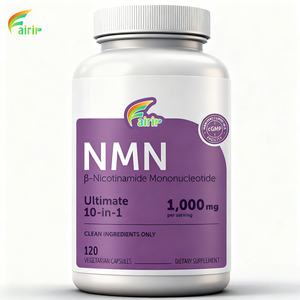
The global sports nutrition and longevity supplement industries are experiencing an unprecedented structural pivot. Historically confined to bodybuilders and strength athletes, Creatine Monohydrate has evolved into a foundational bioactive nutrient recognized across clinical neurology, healthy aging, metabolic support, and cognitive optimization. Concurrently, cellular longevity molecules such as Beta-Nicotinamide Mononucleotide (NMN) have created a multi-billion-dollar global demand curve. For international brand owners, procurement officers, and B2B distributors, navigating the OEM/ODM contract manufacturing supply chain requires deep technical insights into ingredient synthesis, assay verification, particle engineering, and regulatory compliance.
Procurement efficiency is no longer driven solely by raw material pricing per kilogram. Modern B2B buyers must evaluate particle solubility profiles (200-mesh micronization), heavy metal residue controls (<0.1 ppm lead/cadmium limits), and third-party analytical validation (HPLC/FTIR lot testing) to avoid supply chain disruptions under stringent FDA cGMP and EU EFSA regulations.
As sports performance and longevity research merge, Creatine Monohydrate remains the most clinically validated ergogenic compound in existence. Global consumer intent has expanded far beyond traditional muscle hypertrophy. Key market drivers include:
Understanding raw material sourcing is paramount for OEM contract manufacturing. Creatine is primarily manufactured via chemical synthesis from Sarcosine and Cyanamide. However, improper quality control during chemical synthesis can lead to harmful byproducts including Dicyandiamide (DCD) and Dihydrotriazine (DHT). Premium OEM/ODM manufacturers enforce strict crystallization purification protocols to ensure DCD and DHT levels remain below regulatory detection thresholds (<20 ppm and undetectable, respectively).
| Quality Parameter | Standard Commercial Grade | Pharma-Grade Micronized (Vox Standard) | Industry Compliance Standard |
|---|---|---|---|
| Assay Purity (HPLC) | 98.0% – 98.5% | ≥ 99.5% Pure | USP / EP Monograph |
| Mesh Size (Particle Size) | 80 Mesh (Coarse) | 200 Mesh (Ultra-Micronized) | Custom Particle Sizing |
| Dicyandiamide (DCD) | < 50 ppm | < 10 ppm (Ultra-Clean) | EFSA Food Safety Limit |
| Heavy Metals (Pb, Cd, Hg, As) | < 10 ppm Total | < 0.1 ppm Individual Limits | California Prop 65 Compliant |
| Dissolution & Dispersion | Prone to Settling / Grittiness | Instantized / Rapid Dispersion | ISO 17025 Dissolution Testing |
To differentiate a brand in saturated marketplaces such as Amazon, Shopify D2C, or retail chain pharmacies, contract manufacturing partners must deliver advanced dosage technologies beyond basic bulk powders. Our state-of-the-art facility integrates multiple formulation engineering capabilities:
Raw active ingredients, especially unflavored amino acids, botanical extracts, or longevity intermediates like NMN, often exhibit bitter or astringent flavor profiles. Utilizing fluid-bed micro-encapsulation techniques, we coat active particles in natural lipid matrixes or vegetable-based cellulose. This protects the active raw material from oxidative degradation while masking unpleasant organoleptic qualities without adding artificial sugars.
Combining Creatine Monohydrate with specific carbohydrate transport agents, electrolyte matrices (Sodium, Potassium, Magnesium Glycinate), or cellular NAD+ boosters (Beta-NMN) drastically enhances cellular uptake. By stimulating insulin-mediated sodium-potassium ATPase pump activity, transport mechanisms drive creatine directly into skeletal muscle and cerebral tissues at lower dosages, eliminating gastrointestinal discomfort commonly associated with heavy loading phases.
In the dietary supplement sector, regulatory compliance is non-negotiable. Enterprise brand valuation is intrinsically tied to supply chain integrity. A single product recall due to microbial contamination, unauthorized ingredient adulteration, or inaccurate label claims can permanently damage a brand's market equity.
While basic FDA 21 CFR Part 111 establishes baseline requirements for dietary supplement manufacturing, NSF/ANSI 455-2 certification represents the gold standard in independent audit protocols. It validates batch record precision, equipment sanitation validation, environmental monitoring, raw material quarantine, and analytical lab proficiency under strict international guidelines.
Our Utah manufacturing complex mandates a rigorous 5-stage Quality Control workflow for every batch of Creatine and NMN produced:
Looking toward the next half-decade, B2B supplement buyers should prepare for three key macro trends shaping contract manufacturing:
From custom formulation development to high-speed bottling and retail-ready packaging, all under one roof.
State-of-the-art V-blenders and ribbon blenders ensure 100% homogeneous distribution for multi-ingredient creatine, amino acid, and longevity powder formulas.
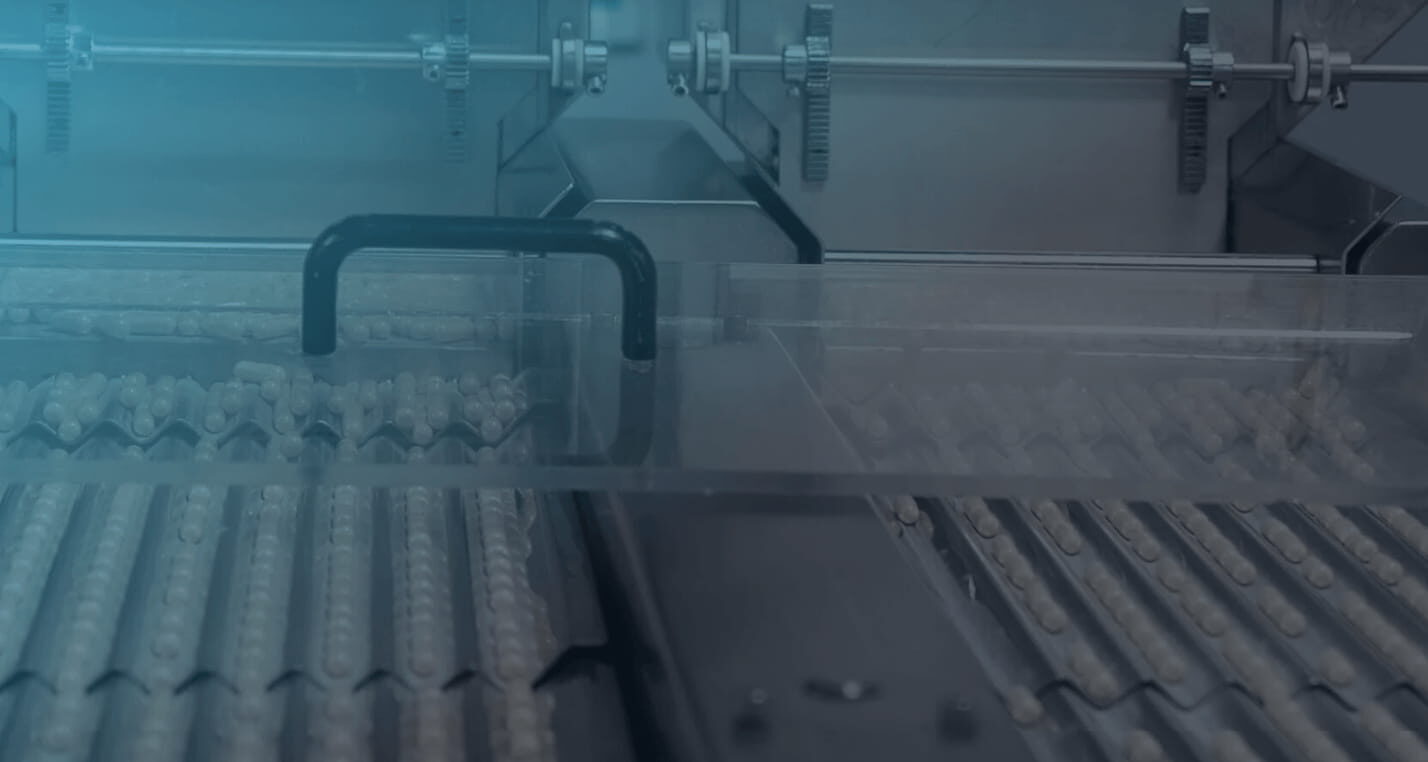
Daily output capacity exceeding 5.5 million capsules. We offer size 00, 0, and 1 vegetarian (HPMC) and gelatin shells with color customization.
Reduce lead times with on-site high-definition label printing. Automated Supplement Facts panel verification eliminates compliance errors prior to run.
Full bottling lines featuring automated tablet/capsule counting, induction heat sealing, desiccants, pressure-sensitive labeling, and tamper bands.
Comprehensive in-house quality control testing including identity verification, assay purity assays, microbial limits, and heavy metal testing per lot.
Experienced international export coordination. Documentation preparation including Certificates of Free Sale, CoAs, and export packing lists for worldwide customs.
With over 28 years of continuous manufacturing excellence, our operation provides the industrial scalability, regulatory precision, and supply chain stability required by premier supplement brands worldwide.
Direct answers regarding MOQ thresholds, international export documentation, custom blending, and testing compliance.
Market-ready private label products start at low unit volumes (typically a few hundred bottles per SKU), enabling brand owners to test consumer demand rapidly. For custom contract formulations, raw material blending minimums apply—powder runs generally start around 1,000 units, while custom encapsulation runs start at 5,000 units per SKU.
Every single batch released from our plant is accompanied by a full Certificate of Analysis (CoA) issued by our quality laboratory. This includes analytical assay purity (HPLC), heavy metal testing (ICP-MS for Lead, Cadmium, Arsenic, Mercury), microbial counts (TAMC/TYMC), and physical parameter verification.
We utilize specialized 200-mesh ultra-micronization processing and low-humidity cleanroom environments during blending and filling. Furthermore, we offer custom instantized lecithin or sunflower lecithin coatings for specialized drink mixes requiring immediate water dispersion without sediment settling.
Yes. Our R&D formulation specialists regularly engineer custom synergistic blends, combining Creatine Monohydrate with compounds like NMN, Bovine Colostrum, Plant Proteins, Electrolytes, or proprietary nootropics like Brainberry®. We assist with flavor development, solubility optimization, and label claim verification.
Yes. Products manufactured in our facility are actively sold across major international retail chains, pharmacy groups, and Amazon marketplaces worldwide. We strictly adhere to NSF/ANSI 455-2 cGMP standards, USDA Organic protocols, and provide regulatory documentation supporting international customs entry.
Partner with an NSF/ANSI 455-2 cGMP certified manufacturer for your Creatine, NMN, and custom nutraceutical contract orders. Request pricing, sample kits, or custom formulation quotes today.
