The global demand for high-purity whey protein isolates, hydrolyzed micro-peptides, and functional sport recovery matrices has created a specialized market for verified OEM/ODM manufacturing. Below are eight top-performing whey protein products engineered for international distribution, compliant with FDA, EU, and GCC regulatory frameworks.
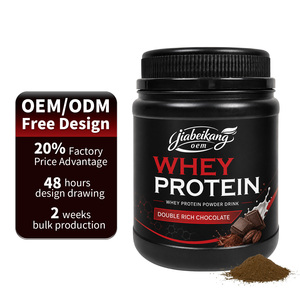
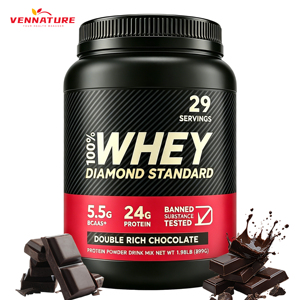
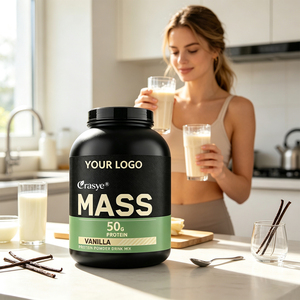
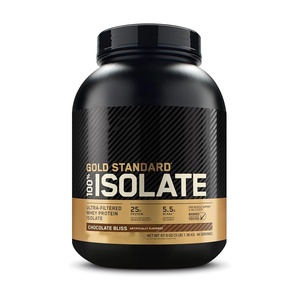
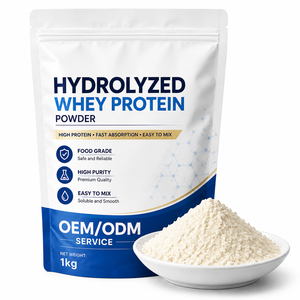
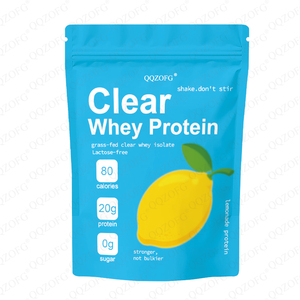
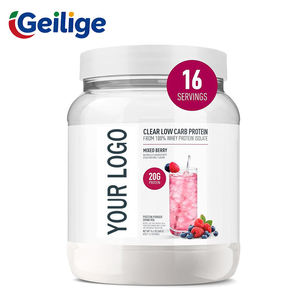
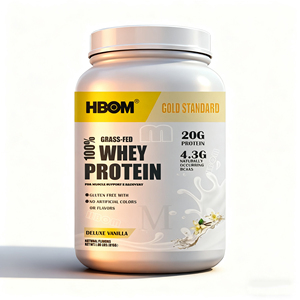
The global sports nutrition and functional dairy market has undergone a fundamental structural shift. Driven by post-pandemic health awareness, age-related sarcopenia prevention, and performance athletics, global demand for export-grade whey protein derivatives—specifically Whey Protein Concentrate (WPC80), Whey Protein Isolate (WPI90), and Hydrolyzed Whey Peptides (HWP)—is projected to reach USD 18.5 Billion by 2030, expanding at a CAGR of 7.8%.
However, for brand owners, regional distributors, and clinical nutrition procurement managers, navigating the global exporter landscape presents complex operational challenges. Raw material pricing volatility, protein spiking risks (such as nitrogen inflation via free-form amino acids like taurine or glycine), heavy metal compliance (California Prop 65 enforcement), and batch-to-batch organoleptic consistency require strict manufacturing standards. Evaluating top whey protein exporters demands a scientific audit of their raw dairy supply sources, membrane filtration technologies, and regulatory certifications.
Not all whey protein powders are manufactured equally. The separation technology used to isolate protein fractions from liquid sweet cheese whey dictates the biological value, solubility, allergen profile, and thermal stability of the final powder. Top exporters employ advanced cold-temperature membrane filtration over legacy high-heat evaporation techniques.
Utilizes non-chemical ceramic membranes at sub-40°C temperatures to preserve native immunoglobulins, lactoferrin, and alpha-lactalbumin fractions while removing 99% of fat and lactose.
Employs food-grade proteases to break long polypeptide chains into bioactive di- and tri-peptides, reducing gut transit time and accelerating post-exercise muscle protein synthesis (MPS).
Applies non-GMO sunflower lecithin via fluid-bed spray drying to guarantee rapid dispersion in cold liquids without clumping, foaming, or phase separation.
| Protein Category | Protein Ratio (%) | Lactose / Fat Content | Processing Method | Target B2B Application |
|---|---|---|---|---|
| Whey Protein Concentrate (WPC80) | 78% – 82% | 4.0% – 6.0% Lactose | Ultrafiltration (UF) | Standard Gym Supplements, Bakery Fortification |
| Whey Protein Isolate (WPI90) | 89% – 93% | < 0.5% (Lactose-Free) | Cross-Flow Microfiltration (CFM) | Premium Sports Nutrition, Keto & Low-Carb Formulas |
| Hydrolyzed Whey (HWP) | 85% – 90% | < 1.0% Lactose | Enzymatic Hydrolysis | Clinical Nutrition, Hypoallergenic Infant & Senior Diets |
| Clear Whey Isolate | 84% – 88% | 0.0% Sugar / Zero Fat | Acidified Microfiltration | Ready-to-Drink (RTD) Juice-Style Protein Drinks |
| Mass Gainer Matrix | 25% – 45% | Variable (Added Carbs) | Dry Blending / Agglomeration | High-Caloric Bodybuilding & Bulking Formulations |
Strategic buyers evaluating contract manufacturing partners must anticipate macro-consumer shifts. The global market is moving past traditional, thick milky shakes toward high-clarity drinks, sensory innovation, and strict environmental accountability.
Traditional dairy-flavored protein shakes (chocolate, vanilla) face market saturation among younger demographics. Clear Whey Isolate—processed at a lower pH (pH 3.0–3.5)—produces a completely transparent, fruit-juice-like drink upon mixing. Exporters offering clear whey with stable flavor profiling (citrus, tropical, berry) are gaining substantial market share across North America and Western Europe.
Regulatory scrutinization of artificial sweeteners like sucralose and acesulfame potassium (Ace-K) has intensified. Global importers are prioritizing formulations sweetened with stevia extracts (Reb-M), monk fruit, and fermented erythritol. Maintaining smooth sensory masking without bitter herbal aftertastes requires advanced flavor-engineering expertise at the contract manufacturing level.
Consumers increasingly demand proof of animal welfare and environmental sustainability. Leading exporters must provide full traceability back to pasture-raised, non-rBST milk supply chains. Verified Grass-Fed certifications and zero-carbon processing footprints are quickly becoming baseline vendor prerequisites for premium retail placement.
To combat digestive discomfort and bloating commonly associated with dairy proteins, modern formulas incorporate custom digestive enzyme complexes (Protease, Lactase, Amylase, Papain) combined with spore-forming probiotics (e.g., Bacillus coagulans) for optimized gut microbiome support.
Partnering with a US-based, world-class contract manufacturer ensures your brand avoids inventory bottlenecks, compliance rejections, and quality drift. Operating out of a state-of-the-art facility in Utah, USA, our manufacturing infrastructure is built specifically for global scalability.
Strict adherence to dietary supplement Good Manufacturing Practices, independently audited by NSF International to guarantee zero cross-contamination.
Every production run undergoes in-house and third-party analytical lab verification (HPLC, ICP-MS) for identity, potency, heavy metals, and micro-biology.
Complete packaging flexibility including HDPE tubs, flexible foil pouches, single-serve stick packs, induction sealing, and in-house compliance-checked printing.
Extensive experience handling export documentation, health certificates, free-sale certificates, and customs clearances for over 40 destination countries.
Here are authoritative answers to common operational questions asked by international brand owners, procurement heads, and OEM partners.
Partner with an established US contract manufacturer delivering industry-leading quality, NSF GMP compliance, and flexible OEM/ODM contract terms. Request your custom quote and raw material spec sheet now.
Send an Inquiry