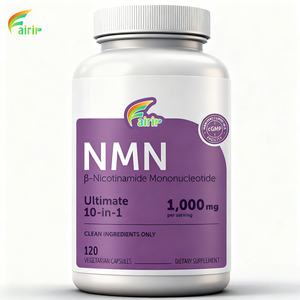
Ultra-pure metabolic activator manufactured via enzymatic synthesis. Ideal for pharmaceutical compounding and nutraceutical processing lines in Tashkent.
Versatile bio-fermented raw material engineered for superior thermal stability during transit across Central Asia. Fully compliant with GOST-U specifications.
CHTNature Industrial 1kg Pack Pure Digestive Enzyme Concentrate
Standardized enzymatic powder tailored for food processing, bakery, and dietary supplement manufacturing across the Commonwealth of Independent States (CIS).
Executive Summary: The Digestive Enzyme Supply Chain in Uzbekistan
As Uzbekistan accelerates its healthcare infrastructure modernization under the national "Strategy Uzbekistan – 2030", the demand for high-potency digestive enzymes, dietary supplements, and biopharmaceutical raw materials has escalated sharply. Uzbekistan’s strategic position as the logistics hub of Central Asia—bordered by Kazakhstan, Kyrgyzstan, Tajikistan, Turkmenistan, and Afghanistan—makes Tashkent a focal point for regional pharmaceutical distribution and contract manufacturing.
Navigating the global enzyme supply chain requires a deep understanding of biochemical activity standardization (FCC/USP units), thermal resistance during transit, strict Halal compliance, and the regulatory import mechanisms governed by the Center for Pharmaceutical Products Safety under the Ministry of Health of the Republic of Uzbekistan. This comprehensive report profiles the top 10 digestive enzyme factories and international supply partners servicing the Uzbek market, offering key technical insights for B2B buyers, distributors, and pharmacy network procurement teams.
Technical Information Gain: Enzyme Activity Metrics vs. Mass
B2B Buyers in Uzbekistan must avoid evaluating enzyme raw materials based solely on weight (mg). Digestive enzymes perform catalytic functions and must be sourced based on Active Units:
Protease: Measured in HUT (Hemoglobin Units Tyrosine base) or USP units. Acid-stable proteases require activity verification at pH 2.0 to 3.0.
Amylase: Measured in DU (Alpha-amylase Dextrinizing Units) or SKB units for starch cleavage efficacy.
Lipase: Measured in FIP or USP units, essential for breaking down lipid-dense Central Asian dietary profiles.
Lactase: Measured in ALU (Acid Lactase Units) for dairy breakdown, vital for regional dairy digestion products.
Localized Application Scenarios in Uzbekistan
The practical application of digestive enzymes in Uzbekistan spans three primary industry verticals, each with specific formulation challenges and market intent drivers:
Traditional Uzbek cuisine is rich in complex carbohydrates and heavy animal lipids (notably mutton fat in regional staple dishes like Plov, Samsa, and Shashlik). Consequently, the local population experiences a high incidence of postprandial dyspepsia, functional bloating, and pancreatic exocrine strain. Formulations combining high-potency Pancreatin, Lipase, Pepsin, and Bromelain represent a rapidly growing market in pharmacy chains across Tashkent, Samarkand, and Bukhara.
2. Bakery & Food Processing Manufacturing
Uzbekistan is a major consumer and processor of wheat flour. Industrial food-grade alpha-amylases, xylanases, and fungal proteases are extensively utilized by local bakeries and flour mills to standardize gluten elasticity, improve dough fermentation stability, and enhance loaf volume in traditional Non (flatbread) and commercial bakery lines.
3. Livestock Feed & Agro-Industrial Applications
With cattle and poultry farming expanding in the Tashkent and Fergana regions, feed-grade enzyme blends (containing Phytase, Beta-Glucanase, and Acidic Protease) are increasingly imported to optimize nutrient conversion ratios, reduce feed costs, and improve animal gut integrity in commercial livestock operations.
Enzyme Specification Matrix for Central Asian Importation
Enzyme Class
Standard Assay Unit
Optimal pH Range
Target Substrate
Uzbek Market Application
Fungal Protease
50,000 HUT/g
2.5 – 6.0
Dietary Peptides / Proteins
OTC Dyspepsia Capsules & Sports Protein
Alpha-Amylase
10,000 DU/g
4.5 – 6.5
Complex Starches / Glycogen
Bakery Fermentation & Digestive Aids
Lipase (Fungal/Porcine)
20,000 FIP/g
5.5 – 8.0
Triglycerides & Long-Chain Fats
High-Fat Diet Digestive Formulations
Cellulase & Hemicellulase
4,000 CU/g
3.5 – 5.5
Plant Fiber & Non-Starch Polysaccharides
Herbal Extract & Botanical Digestives
Lactase (Beta-Galactosidase)
100,000 ALU/g
3.5 – 6.5
Lactose Disaccharides
Lactose Intolerance OTC Capsules
Local Market Trends in Uzbekistan (2024–2030)
Several macro-economic and regulatory shifts are shaping how digestive enzymes are sourced and marketed in Uzbekistan:
Import Substitution & Local Packaging: Uzbek pharmaceutical enterprises are moving away from importing finished packed goods toward importing bulk active pharmaceutical ingredients (APIs) and high-activity enzyme powders, executing capsule filling, blistering, and outer packaging domestically to leverage tax incentives.
Halal Certification Requirements: With over 90% of the population adhering to Islamic dietary principles, there is an absolute market preference for microbial (fungal bio-fermentation) or plant-derived enzymes (Papain, Bromelain) over traditional porcine-derived Pancreatin. Suppliers providing verified Halal documentation gain a major competitive edge.
Harmonization with EAEU and CIS Standards: Quality control protocols are aligning closely with international Pharmacopeial standards (USP, Ph. Eur., IP). Shipments must be accompanied by comprehensive Certificates of Analysis (CoA) demonstrating zero heavy metal contamination, low microbial counts, and stability testing reports.
Analysis of Top 10 Digestive Enzymes Factories & Suppliers Servicing Uzbekistan
1. Vox Nutrition Inc. (USA / Direct Contract & Private Label Supplier)
Operating out of an NSF/ANSI 455-2 GMP certified, FDA-registered facility in Utah, USA, Vox Nutrition represents the premium standard for contract supplement manufacturing. With an encapsulation capacity of over 5.5 million capsules per day and 115+ market-ready formulas, Vox Nutrition provides direct-to-brand private label solutions for Uzbek distributors seeking tier-one American quality standards. All ingredients undergo rigorous identity testing and complete lot traceability.
2. CHTNature Bio-Tech Co., Ltd. (Global Bulk Raw Material Manufacturer)
Specializing in high-purity enzymatic bio-fermentation and active nutritional ingredients (such as Beta-NMN, Protease concentrates, and Amylase powders), CHTNature provides bulk supply solutions directly to Uzbek pharmaceutical plants. Offering competitive 1kg to 25kg drum packaging, CHTNature is renowned for rapid dispatch and strict CAS-level quality control.
3. Tashkent Pharmaceutical Plant (Tashfarm)
One of the oldest state-supported manufacturing facilities in Uzbekistan. Tashfarm concentrates on filling, tableting, and packaging essential digestants and gastroenterological formulations for regional state tender distribution and domestic retail networks.
4. Jurabek Laboratories JV LLC
A leading modern pharmaceutical enterprise in Uzbekistan with GMP-compliant production lines. Jurabek produces high-volume liquid and solid dosage gastroenterology products, frequently sourcing bulk active digestive enzymes for local formulation.
5. Nobel Pharmsanoat
A major joint venture operating in Uzbekistan, Nobel Pharmsanoat maintains international-standard manufacturing complexes producing a wide spectrum of OTC digestive remedies and prescription enzymes targeting the Central Asian market.
6. Radiks LLC
Located in Tashkent, Radiks specializes in phytotherapeutic and enzymatic galenic formulations. They are key players in developing botanical-enzyme synergy products tailored for regional digestive health demands.
7. Samarkand England Eco-Medical JV
A specialized production facility in Samarkand focusing on dietary supplements, vitamins, and metabolic enzymes. They serve as a key domestic contract manufacturer for private labels in Uzbekistan.
8. Asia Pharm Group
A major regional distributor and secondary packaging operator with extensive warehousing networks across Tashkent and the Fergana Valley, importing bulk materials for distribution to local compounding pharmacies.
9. Ziyo Phartmed
Focusing on nutraceutical innovation, Ziyo Pharmmed imports bulk enzyme concentrates to formulate combined probiotic-enzyme products for retail pharmacy chains.
10. Grand Pharm Trade
One of Uzbekistan's premier pharmaceutical wholesale supply chain operators, importing and distributing foreign finished enzyme products while partnering with international factories for localized OEM projects.
Enterprise Advantages of Partnering with Our Facility
For Uzbek procurement teams selecting an overseas primary manufacturing partner, operational reliability, regulatory documentation, and production scale are paramount. Our state-of-the-art facility delivers unmatched advantages:
NSF & FDA Certified Quality
Our Utah, USA plant operates under stringent NSF/ANSI 455-2 GMP standards and FDA registration. Every lot is backed by full laboratory identity, potency, and microbial testing, eliminating compliance hurdles during customs entry in Uzbekistan.
Massive Production Scale
With an encapsulation output exceeding 5.5 million units daily alongside automated high-speed powder blending lines, we handle both low-MOQ brand validations and multi-container commercial procurement runs effortlessly.
Complete Turnkey Logistics
From custom enzyme formulation R&D to label compliance printing, bottle packaging, and Middle Corridor transit documentation, we offer a seamlessly integrated single-source supply chain.
Uzbekistan Procurement & Importation FAQs
Direct Answers to Technical, Regulatory, and Freight Questions from Central Asian Buyers
What regulatory certifications are required to import digestive enzymes into Uzbekistan?
Imports require a Certificate of Origin, Certificate of Analysis (CoA), Safety Data Sheet (SDS), and registration/conformity certification issued via the State Center for Expertise and Standardization of Pharmaceutical Products under the Ministry of Health of Uzbekistan (or GOST-U declaration for food-grade enzymes). Our documentation package fully supports this process.
Are fungal and plant-derived enzymes preferred over animal-derived Pancreatin in Uzbekistan?
Yes. Fungal proteases, amylases, and plant-derived papain/bromelain are preferred due to strict Halal compliance expectations among Uzbek consumers. Fungal enzymes also offer broader pH activity profiles compared to traditional animal-derived pancreatin.
What are the typical lead times and shipping routes for shipments to Tashkent?
Air freight to Islam Karimov Tashkent International Airport (TAS) typically takes 5–8 business days from release. Ocean/rail multimodal freight via the Trans-Caspian (Middle Corridor) or Poti/Batumi ports generally takes 35–45 days depending on border clearance speeds.
What are the Minimum Order Quantities (MOQs) for OEM private label capsules?
Market-ready private label formulations start at low unit counts (a few hundred bottles per SKU) to allow market testing. Custom formulations requiring specialized raw material blending typically start around 5,000 bottles (or 1,000 units for specialized powders).
Can you assist with Uzbek language label compliance and Supplement Facts panel layout?
Yes. Our in-house design and regulatory team formats labels to comply with Uzbek consumer protection laws, incorporating double-language text (Uzbek Cyrillic/Latin and Russian) along with accurate metric unit representations.
How do you ensure enzyme activity is maintained during long transit across hot Central Asian climates?
We utilize micro-encapsulation techniques and incorporate high-barrier, moisture-proof aluminum foil packaging or heavy-duty sealed drums with desiccant systems. Temperature-controlled reefer containers are recommended for bulk sea-rail freight during summer months.
Scale Your Digestive Enzyme Brand in Uzbekistan
Partner with an NSF GMP-certified US manufacturer for premium private label capsules, custom formulation development, and reliable bulk export to Central Asia.